Showing posts with label Wycliffe Stutchbury. Show all posts

Wednesday, 15 April 2026

Wycliffe Stutchbury IV

The 'Thread' exhibition featuring some of Wycliffe Stutchbury’s works is running at Sarah Myerscough Gallery, London until May 16th.

 Wycliffe Stutchbury’s works are composed via the meticulous placement of wooden tiles, processed from fallen trees or disused architecture, timber shingles sourced from a coastal town in Maine, discarded field fencing, fallen bog oak found in Norfolk fens or felled holly from Abergavenny. The used local wood absorbs, mutates and bear traces of its environment and renders each work reflective of geographic specificity. 

A result of changeable weather systems and the artist’s editorial impulse. In such a way, the works evoke surfaces found in architecture. As exterior walls, roofs and structures are weathered via elemental interactions, so too are his pieces. Simultaneously, as gravity acts upon his compositions, they drape and fall mimicking textile. Thus embedded within the works are paradoxes between exterior and interior, fragility and endurance.


Tuesday, 15 August 2017

Wycliffe Stutchbury III

Above and below: Fallen Horse Chestnut

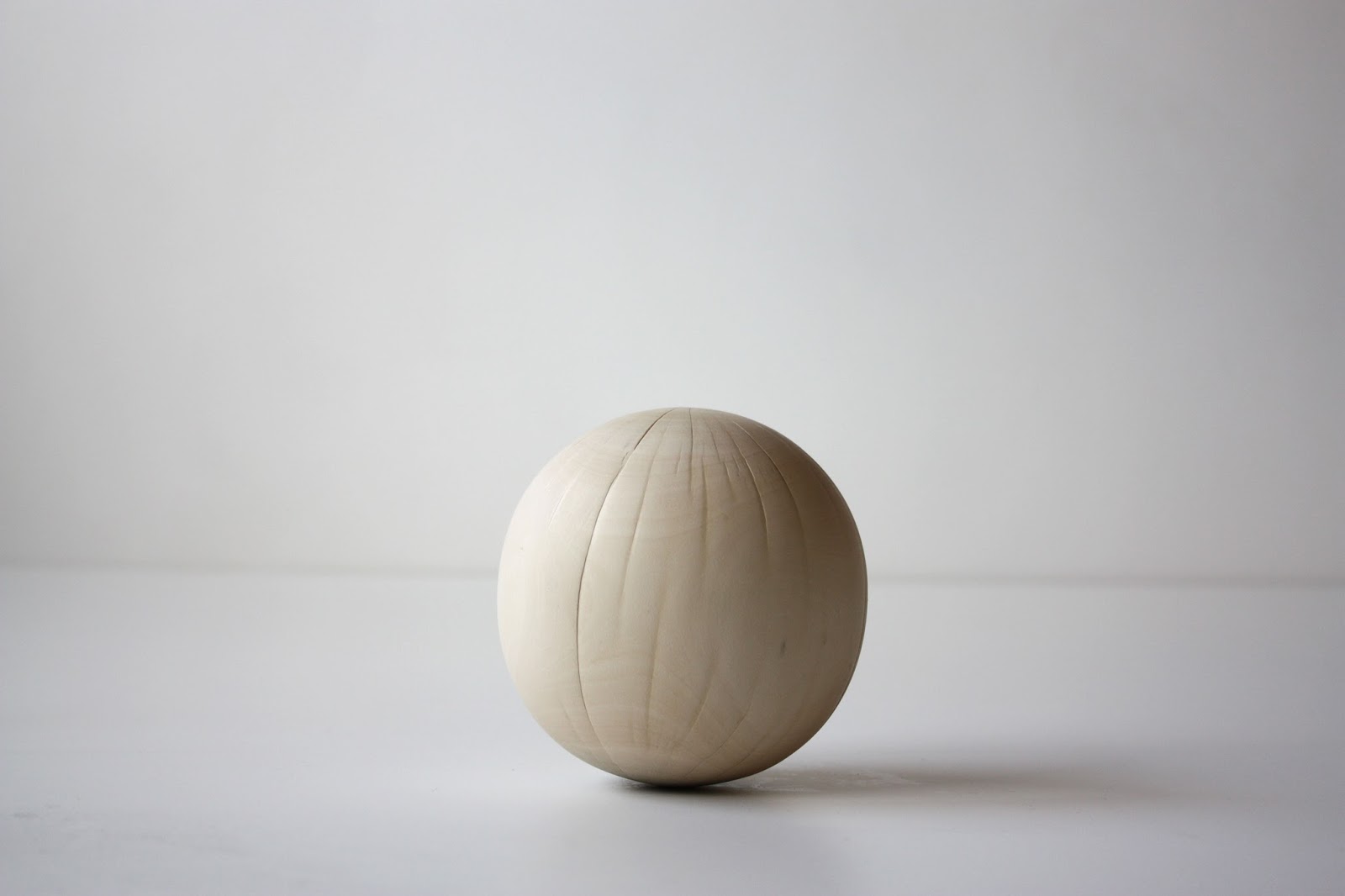
More treasure from Wycliffe Stutchbury. This time beautifully turned and formed sculptures created from found timbers.

Below: Sphere from Fallen Holly.

Monday, 14 August 2017

Wycliffe Stutchbury II

Above: Fallen Holly. Below: Bog Oak

I'm delighted to have rediscovered the work of Wycliffe Stutchbury due to an upcoming exhibition at Messums in Wiltshire Material: Wood (August 11-September 3). Wycliffe collages veneers of found woods into patchworks of texture, colour and scale an intuitive response to the nature of the wood.

Below: fallen Footpath Sign.

Monday, 2 May 2011

Wycliffe Stutchbury I

Wycliffe Stutchbury makes these beautiful compositions from discarded or fallen timber, and are all about the beauty of wood. (Top two images are created from discarded roofing batons, bottom two from branches of common holly.)

"The origin of the material used is central to my work. Whether it be discarded floorboards from a Victorian terraced house, a garden fence, a branch of sycamore . . . or a 4 year old oak gate post, the sense of place is very important." Wycliffe Stutchbury

Wycliffe trained at the London School of Furniture and worked as a furniture maker in Sussex, Ireland and London. He founded Blue Monkey Studio and worked as a model maker and tutor before returning to the medium of wood and finding himself completely absorbed by the stories it has to tell.